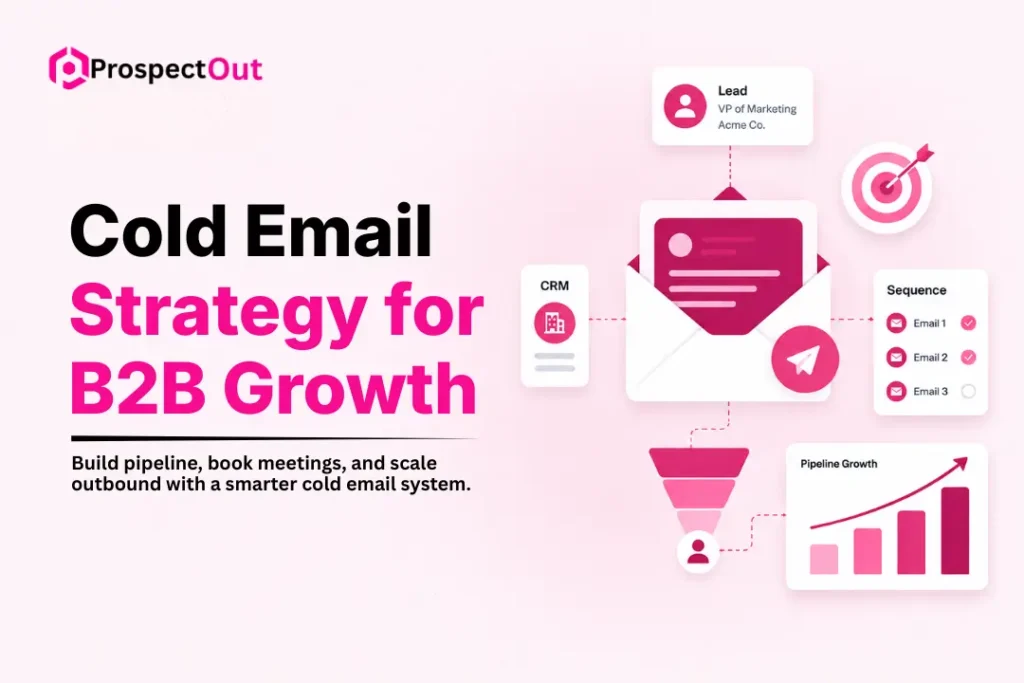
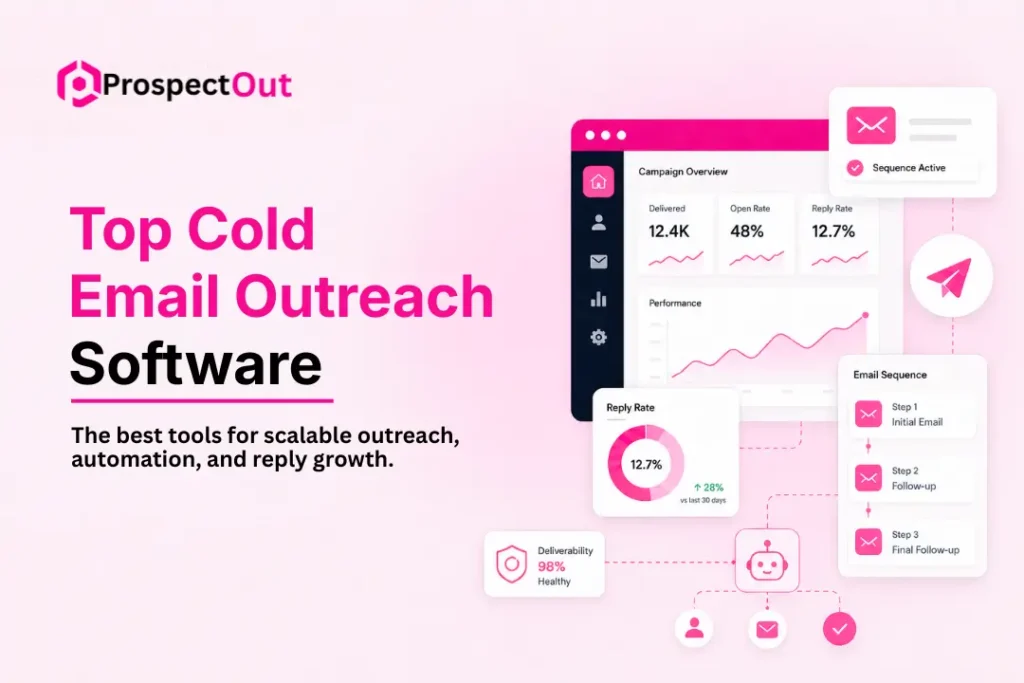
B2B companies face the challenge of connecting with new leads efficiently. Cold email outreach software offers automation, personalization, and tracking, helping sales teams work smarter and scale outreach.
However, tools alone don’t guarantee results, strategy and execution determine success. Combining the right software with expert guidance ensures consistent engagement and measurable ROI.
Here we review the best cold email outreach platforms, highlighting their strengths, weaknesses, and ideal use cases. Read and explore the options available.
What Is Cold Email Outreach Software?
Cold email outreach software is an automated tool that helps businesses send sales emails to new prospects at scale. Many B2B teams use it to connect with decision makers who have not interacted with their brand before.
The system organizes contact lists, sends messages in sequences, and adds personalized details such as name, company, or industry. Sales teams rely on it to build relationships, book B2B meetings, and grow revenue through structured outreach.
Core functions of cold email outreach software include:
- Automation of email sequences
- Personalization using dynamic fields
- Deliverability support to avoid spam folders
- Tracking of opens, clicks, and replies
Why B2B Companies Need Cold Email Outreach Software
They are important for B2B firms that want steady growth and direct access to decision makers:
- Structured outreach systems create predictable lead generation through consistent prospecting activity.
- Outbound teams gain scalable campaign capacity without expanding headcount.
- Faster follow up cycles drive sales pipeline acceleration across multiple segments.
- Lower acquisition expenses make cold outreach more efficient than paid ads.
- Companies in SaaS, agencies, consulting, tech, and manufacturing benefit from direct prospect engagement.
The Top Cold Email Outreach Software with Best Deliverability Features
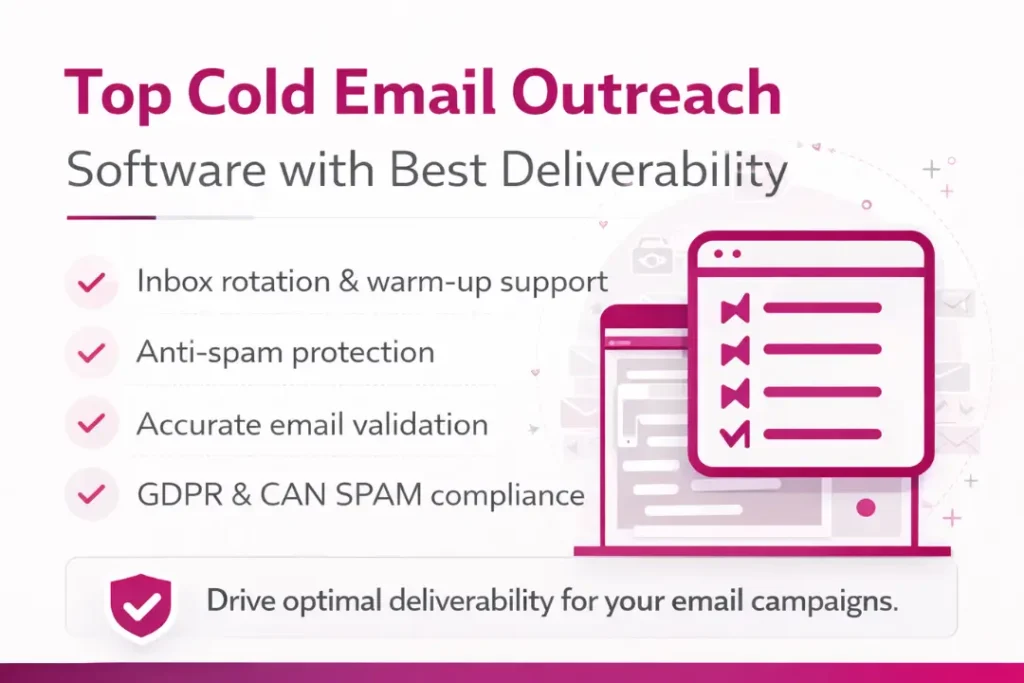
Let’s explore 12 tools renowned for simplifying prospecting, automation, and engagement worldwide.
| Software | Starter Pricing | Unique Features | Ideal for |
| Apollo.io | $49/mo | • Extensive B2B contact database (200M+ leads). • Advanced filtering and segmentation. • Automated email sequences. • Built-in CRM sync. • Campaign analytics and reporting. | Teams needing combined prospecting data + outreach automation. |
| Saleshandy | $25/mo | • Unlimited email accounts. • Automated warm-up and sender rotation. • Sequence A/B testing. • Email verification integration. • Real-time tracking and analytics. | Small teams, agencies, scaling campaigns. |
| Instantly.ai | $37/mo | • Unlimited inboxes and warm-up. • Smart inbox rotation. • AI personalization assistance. • Bulk sending and scalability. • Campaign A/B testing options. | High-volume cold outreach campaigns. |
| Smartlead | $39/mo | • Unlimited email accounts. • Master inbox management. • Advanced deliverability controls. • Automated domain rotation. • Campaign performance analytics. | Agencies managing many clients. |
| Lemlist | $63/mo | • Image personalization tools. • Video drops in emails. • Lemwarm warm-up system. • Multichannel sequences. • Custom A/B testing templates. | Teams focused on creative, personalized outreach. |
| Hunter.io | $34/mo | • Email finder and verification. • Domain search tools. • Contact enrichment. • Seamless Gmail/Outlook setup. • Basic outreach automation. | Prospect discovery + verification focused teams. |
| Snov.io | $29/mo | • Email and LinkedIn lead finder. • Bulk email verification. • Drip campaign builder. • CRM-lite pipeline features. • AI email builder tools. | Small teams needing lead gen + outreach. |
| Mailshake | $25/mo | • Easy email sequence setup. • Built-in dialer and LinkedIn steps. • AI email assistant. • CRM integrations. • Campaign performance dashboards. | SDR teams needing multichannel engagement. |
| Klenty | $50/mo | • Adaptive cadences and playbooks. • CRM integrations. • Multi-touch sequences. • Advanced personalization. • Performance analytics. | Enterprise or structured SDR teams. |
| Woodpecker | $24/mo | • Deliverability and inbox warm-up support. • Automated follow-ups. • Email verification. • CRM and analytics integrations. • Condition-based sequencing. | Small/mid-sized B2B outreach teams. |
| Reply.io | $89/mo | • Unlimited warm-up and email sends. • Multichannel sequences (email, LinkedIn, SMS). • AI personalization and analytics. • Live B2B data credits. • CRM and workflow integrations. | Teams needing multichannel automation. |
| ReachInbox | $30/mo | • Unlimited email accounts and warm-up. • AI-generated sequences. • Inbox rotation for deliverability. • Campaign analytics and testing. • Lead enrichment tools. | Teams prioritizing deliverability and AI support. |
We have also outlined their core features, strengths, limitations, and ideal use cases. For a deeper insight, explore the sections below.
1. Apollo.io
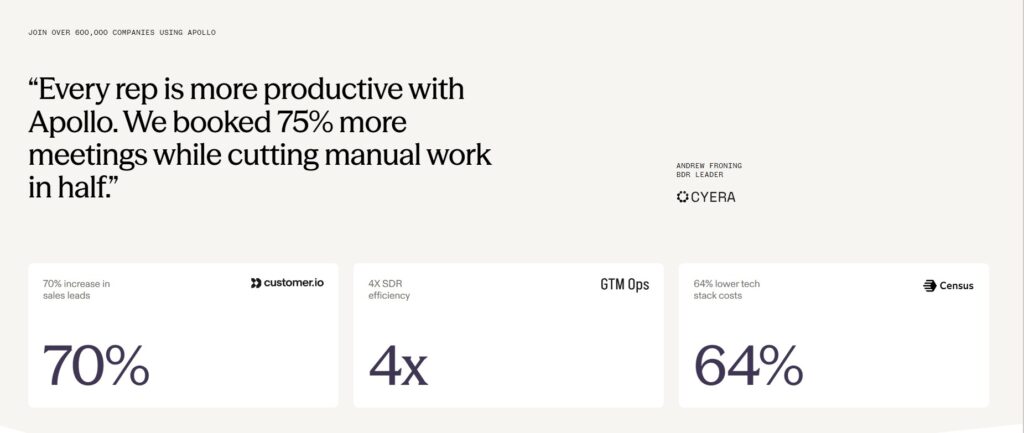
Apollo.io combines a rich prospect database with outreach in one platform, making it easier for B2B sales teams to run campaigns and manage contacts without switching tools. Its built-in CRM helps track interactions and follow-ups seamlessly, supporting teams that aim to scale outbound efforts efficiently.
Key features:
- Database and outreach integration allows users to search prospects and launch campaigns without external tools.
- CRM functionality tracks messages, meetings, and deals in a single interface for organized sales workflows.
- Automated email sequences enable consistent follow-ups while saving time and reducing manual effort.
Strengths and weaknesses:
- Strength: Unified platform reduces the need for multiple tools.
- Weakness: Can feel overwhelming for very small teams new to cold email automation.
Ideal use case:
Best for B2B sales teams seeking an all-in-one platform to manage leads, automate email sequences, and grow outbound campaigns while tracking pipeline metrics efficiently.
2. Saleshandy
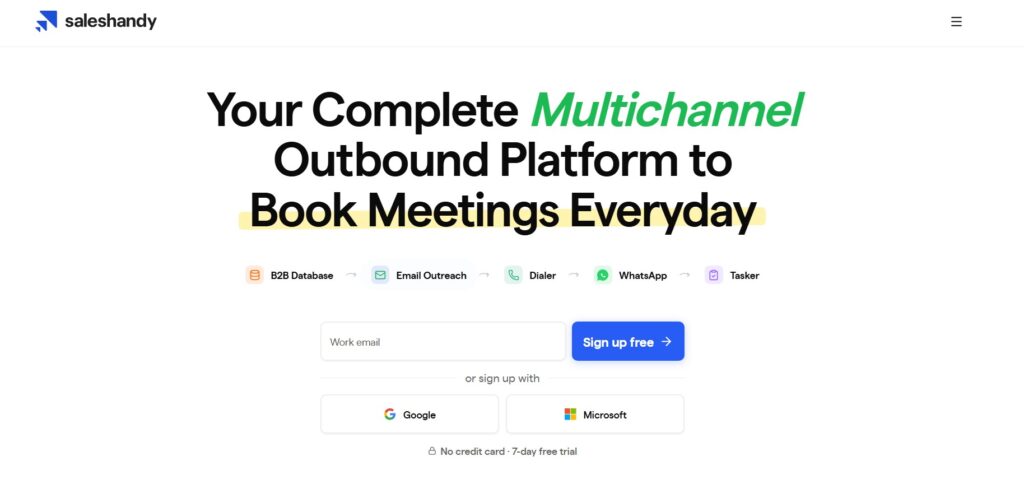
Saleshandy focuses on delivering reliable inbox placement and email rotation, helping teams maintain high deliverability rates. Agencies and consultants often favor this tool due to its ease of use and campaign tracking features, allowing consistent outreach without inbox penalties.
Key features:
- Deliverability infrastructure ensures emails land in recipients’ primary inbox rather than spam folders.
- Inbox rotation balances sending across multiple accounts to prevent domain blacklisting.
- Engagement tracking shows opens, clicks, and replies to optimize campaigns over time.
Strengths and weaknesses:
- Strength: Excellent deliverability protection.
- Weakness: Limited advanced automation compared to larger all-in-one platforms.
Ideal use case:
Ideal for agencies and consulting teams that rely on consistent cold email campaigns with high inbox placement and simple performance tracking.
3. Instantly.ai
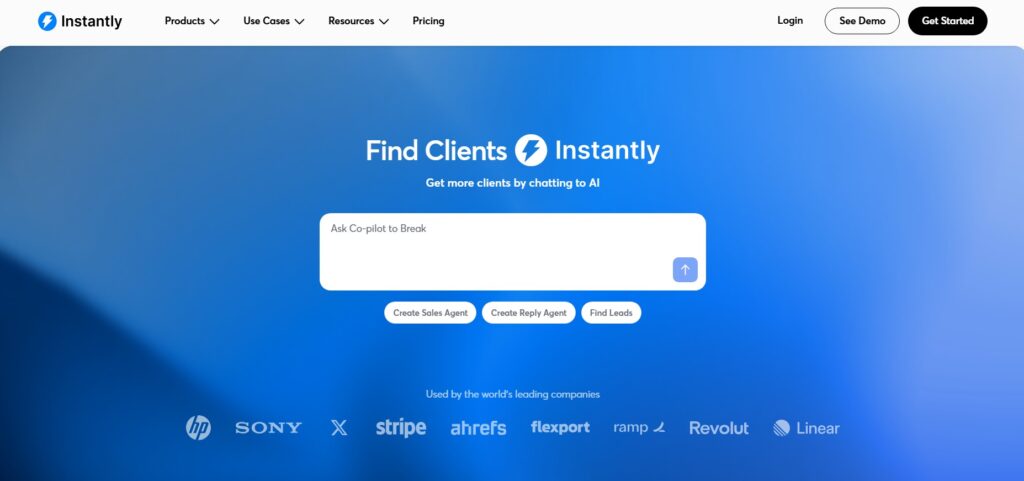
Instantly.ai is built for high-volume sending, allowing users to scale cold email campaigns quickly while using smart inbox rotation to reduce the risk of spam flags. Its focus on large-scale outreach makes it suitable for aggressive lead generation strategies.
Key features:
- High-volume sending enables outreach to thousands of prospects efficiently in a short time.
- Smart inbox rotation distributes emails across accounts to maintain sender reputation.
- Automation options support drip campaigns and scheduled sequences for continuous engagement.
Strengths and weaknesses:
- Strength: Excellent for scaling campaigns without losing deliverability.
- Weakness: Limited CRM features for contact and deal management.
Ideal use case:
Designed for companies aiming to reach many prospects quickly, particularly B2B teams that need large-scale cold email campaigns without complex CRM requirements.
4. Smartlead
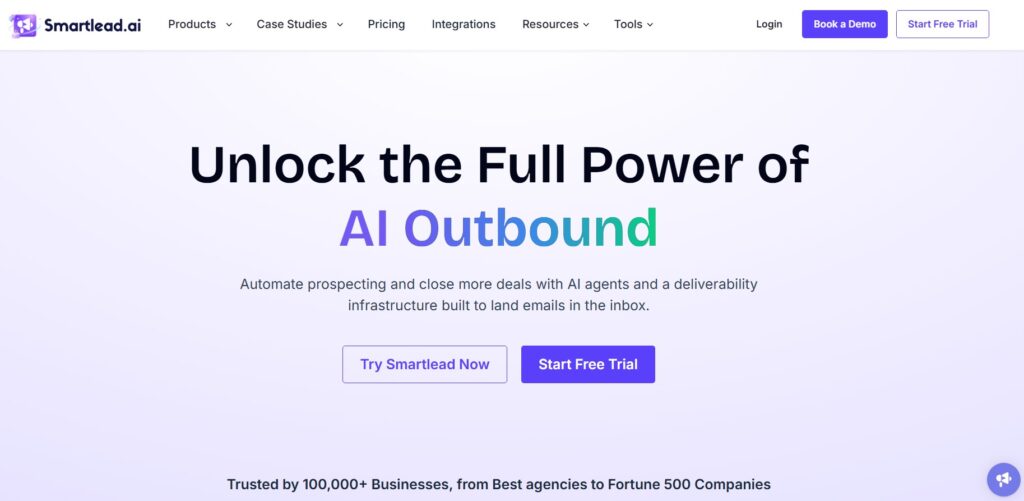
Smartlead offers advanced automation workflows and multi-channel capabilities, making it ideal for agencies managing multiple client campaigns simultaneously. It streamlines outreach while providing analytics to refine targeting and engagement.
Key features:
- Advanced automation allows sequences with varied timing, conditions, and branching paths for personalized campaigns.
- Multi-channel capabilities include emails, LinkedIn, and SMS outreach for broader engagement.
- Analytics dashboards track performance across campaigns for data-driven adjustments.
Strengths and weaknesses:
- Strength: Handles multiple client campaigns efficiently.
- Weakness: Smaller teams may find the interface complex initially.
Ideal use case:
Perfect for agencies or teams managing multiple clients who need to automate complex sequences across several communication channels while monitoring results closely.
5. Lemlist
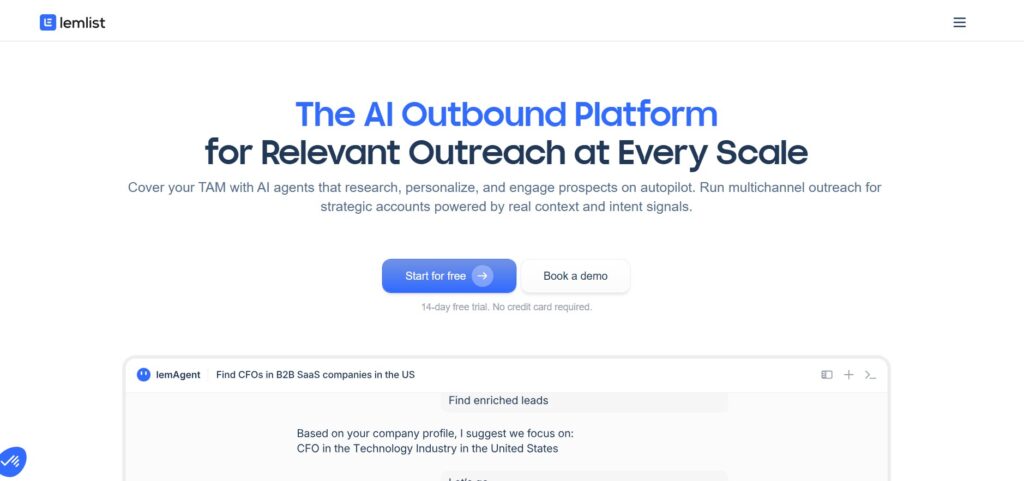
Lemlist emphasizes personalization-first outreach, allowing users to create email campaigns with images, videos, and dynamic content. Its multi-channel support enhances engagement and builds stronger connections with prospects.
Key features:
- Personalized content includes text, images, and videos to increase response rates.
- Multi-channel outreach combines email with social channels for integrated campaigns.
- Automated follow-ups adjust based on recipient actions to maintain engagement.
Strengths and weaknesses:
- Strength: Exceptional personalization tools for creative campaigns.
- Weakness: Can require more design effort compared to simpler platforms.
Ideal use case:
Best for teams that want to craft visually engaging, personalized campaigns and connect with prospects across multiple platforms while keeping automated follow-ups active.
6. Hunter.io
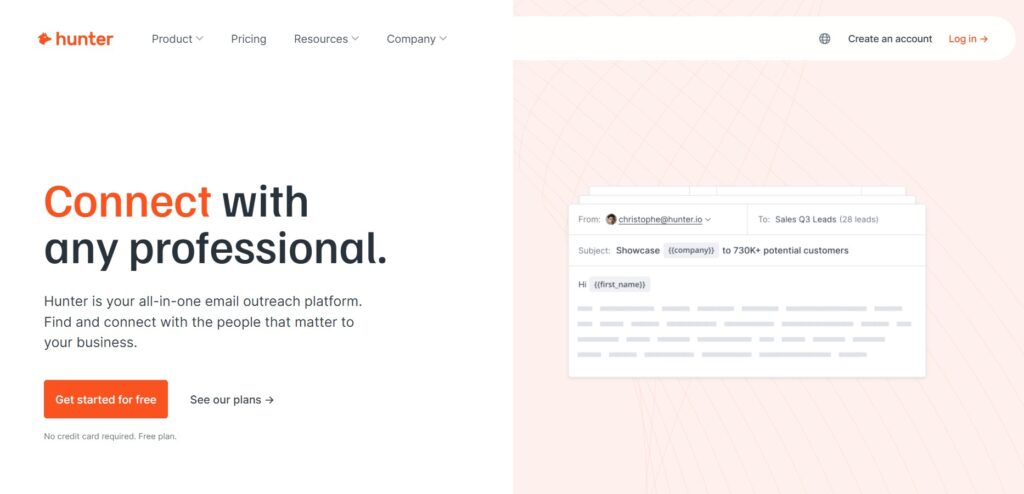
Hunter.io specializes in finding and verifying email addresses while providing basic outreach automation. Its strength lies in prospect identification, making it suitable for teams that focus heavily on research-driven campaigns.
Key features:
- Email finding tools locate valid contacts across domains for accurate outreach.
- Verification ensures addresses are deliverable to reduce bounce rates.
- Basic automation sequences allow sending follow-up emails to verified contacts.
Strengths and weaknesses:
- Strength: Excellent for prospect discovery and verification.
- Weakness: Limited advanced outreach and personalization features.
Ideal use case:
Ideal for teams prioritizing prospecting and lead research, especially smaller B2B sales teams that need reliable contact data before sending automated campaigns.
7. Snov.io
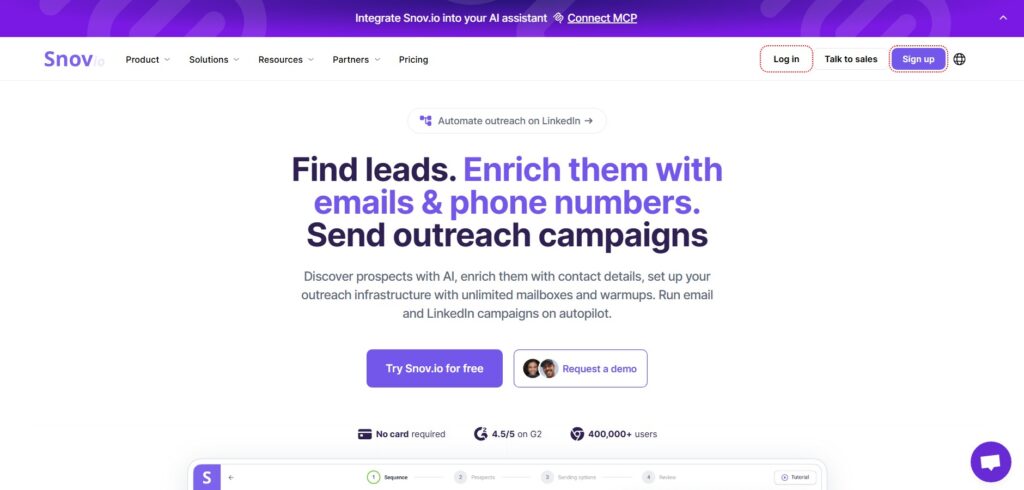
Snov.io provides email finding, drip campaigns, and CRM-lite functionality in a budget-friendly package. It balances affordability with essential automation tools, making it attractive for smaller B2B teams.
Key features:
- Email finder locates prospects and verifies addresses for accurate campaigns.
- Drip campaigns allow automated sequences with multiple follow-ups.
- CRM-lite tracks contacts and simple deal pipelines for organized outreach.
Strengths and weaknesses:
- Strength: Affordable with essential automation features.
- Weakness: Limited advanced reporting and integrations compared to enterprise tools.
Ideal use case:
Suitable for small B2B businesses or startups looking to automate outreach and track prospects while keeping costs low and processes straightforward.
8. Mailshake
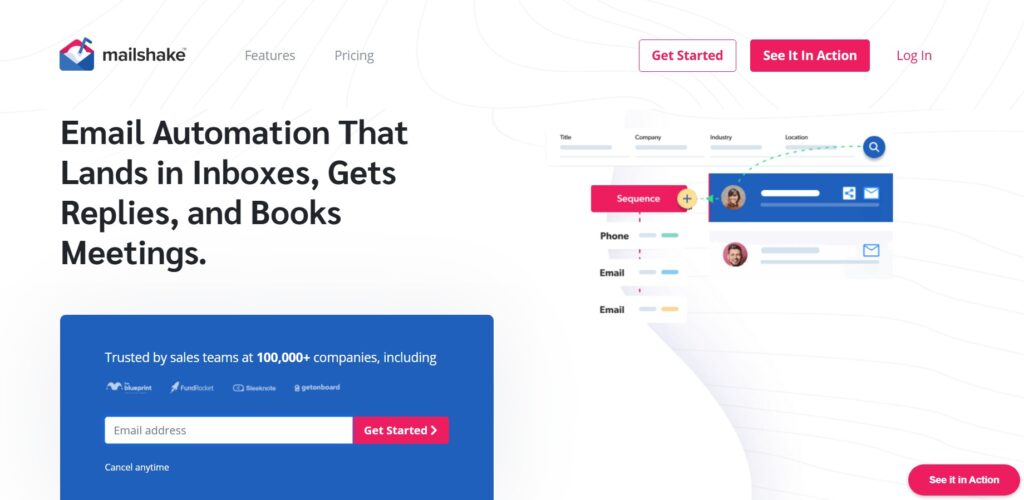
Mailshake functions as a sales engagement platform with multi-channel outreach, designed for SDR teams to increase prospect interactions. Its structured workflows support efficient team collaboration and campaign execution.
Key features:
- Email sequences automate outreach across multiple contacts with tracking.
- Multi-channel support adds phone and social touches for wider engagement.
- Collaboration tools enable SDR teams to manage campaigns collectively.
Strengths and weaknesses:
- Strength: Efficient for SDR team coordination and multi-channel campaigns.
- Weakness: Limited personalization options compared to design-focused tools.
Ideal use case:
Best for sales development teams that need structured outreach, team collaboration, and the ability to reach prospects across email, phone, and social platforms.
9. Klenty
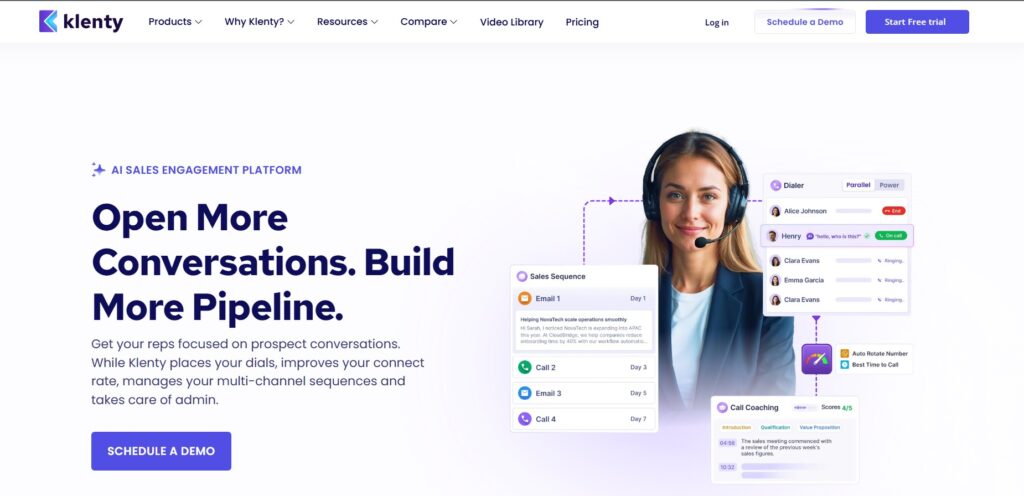
Klenty focuses on sales engagement automation with CRM integrations, helping enterprise sales teams run campaigns at scale while maintaining contact organization and reporting.
Key features:
- Automated sequences save time on repetitive outreach tasks.
- CRM integrations keep prospect and activity data in sync across platforms.
- Performance tracking allows monitoring of engagement metrics for campaign optimization.
Strengths and weaknesses:
- Strength: Enterprise-focused with strong CRM connectivity.
- Weakness: May be overkill for small or single-person teams.
Ideal use case:
Designed for enterprise sales teams needing scalable outreach with CRM integration to manage contacts, track performance, and optimize engagement efficiently.
10. Woodpecker
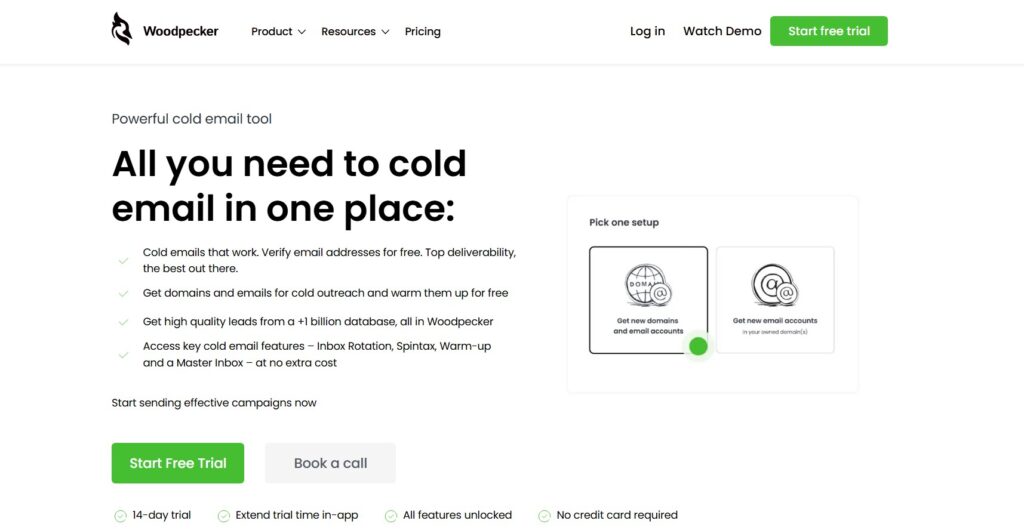
Woodpecker is a deliverability-focused tool for B2B lead generation, ideal for small and mid-sized teams. Its simple interface makes managing sequences and follow-ups efficient without steep learning curves.
Key features:
- Deliverability optimization reduces spam risks for consistent inbox placement.
- Automated sequences save time while maintaining consistent outreach.
- Integration with CRMs and analytics tools keeps campaigns organized.
Strengths and weaknesses:
- Strength: Strong deliverability focus with easy setup.
- Weakness: Less advanced multi-channel options compared to competitors.
Ideal use case:
Best for small to mid-sized B2B teams seeking reliable cold email campaigns with high deliverability and straightforward automation features.
11. Reply.io
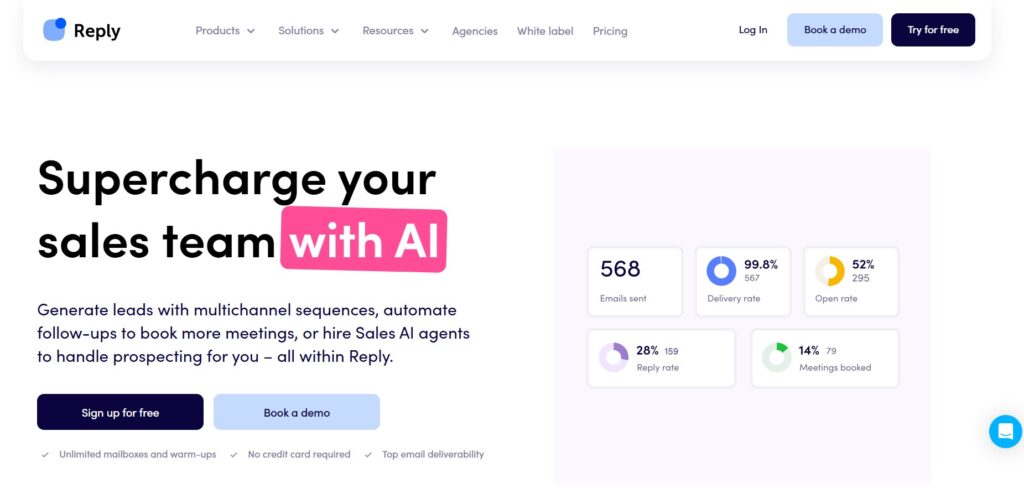
Reply.io operates as a sales engagement platform that blends email automation with multi-channel outreach. The platform balances automation with personalization, helping sales teams increase replies while keeping outreach organized across different touchpoints.
Key features:
- Multi-channel sequences combine email, calls, LinkedIn, and tasks within unified campaign workflows.
- Built-in automation tools manage follow-ups based on prospect actions and engagement signals.
- Detailed reporting dashboards track replies, meetings, and overall campaign performance metrics.
Strengths and weaknesses:
- Strength: Strong multi-channel engagement capabilities.
- Weakness: Interface may require time to master for new users.
Ideal use case:
Designed for B2B sales teams that need structured outreach across email and social channels. It suits companies seeking centralized workflow management, performance tracking, and consistent engagement while scaling outbound prospecting efforts.
12. ReachInbox
ReachInbox focuses on cold email automation with strong attention to deliverability and sender reputation. It offers streamlined campaign setup and inbox management, making it practical for businesses that prioritize reliable email performance.
Key features:
- Automated email sequences allow scalable outreach with controlled sending limits.
- Inbox management tools monitor sender health and reduce spam placement risks.
- Campaign analytics provide insights into opens, replies, and engagement trends.
Strengths and weaknesses:
- Strength: Emphasis on deliverability and sender reputation control.
- Weakness: Limited advanced CRM functionality compared to enterprise platforms.
Ideal use case:
Best for B2B companies that want to scale cold email campaigns while protecting domain reputation. It fits teams focused on consistent inbox placement, simple automation workflows, and measurable engagement results without complex enterprise features.
Deliverability and Compliance in B2B Cold Email Outreach
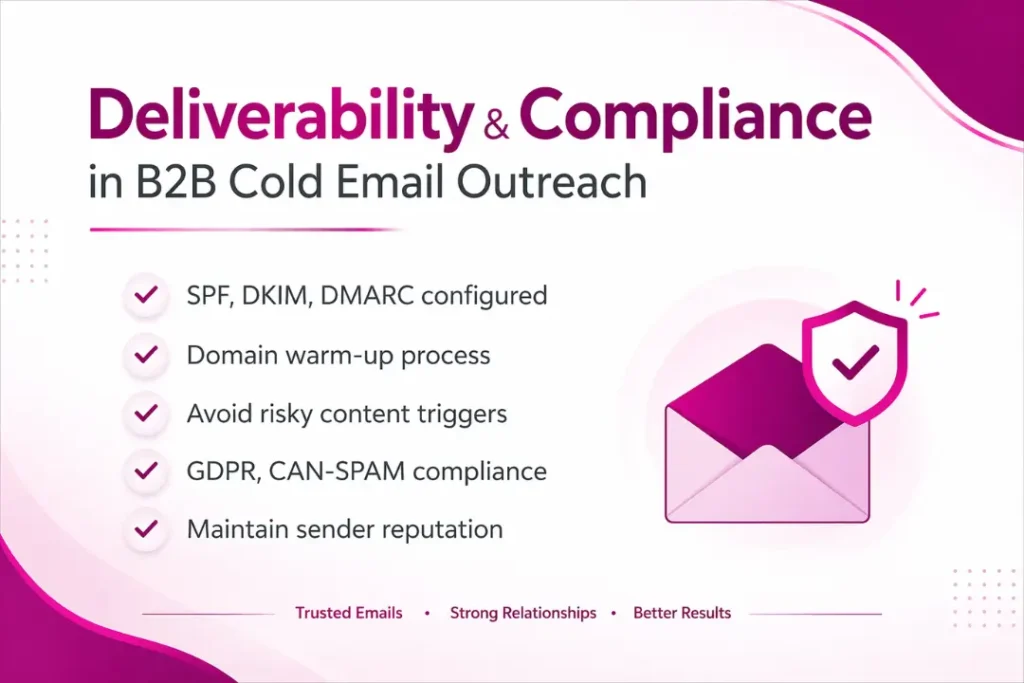
Reaching a prospect’s inbox reliably requires careful focus on deliverability and compliance. Properly configuring SPF, DKIM, and DMARC records verifies your domain and signals email providers that your messages are authentic. Gradually increasing sending volume, a process called domain warming, prevents sudden spikes that could trigger spam filters.
Avoiding common spam triggers, like excessive links, misleading subject lines, or all caps, improves inbox placement. Adhering to GDPR and CAN-SPAM rules protects recipients’ rights and prevents legal penalties. Clear sender information and easy unsubscribe options build trust with contacts while keeping campaigns compliant.
Maintaining a strong sender reputation supports long-term outreach success. Cleaning email lists, monitoring bounce rates, and tracking engagement metrics minimizes blacklisting risks. Consistent, responsible sending habits strengthen your standing with providers, boost deliverability, and maximize campaign effectiveness for B2B teams focused on generating meaningful engagement.
How to Choose the Right Cold Email Outreach Software
When choosing B2B cold email outreach software, businesses must evaluate several factors to match tools with strategy and goals:
i) Company size: Larger teams need platforms that support multiple users, campaign management, and collaboration without performance issues.
ii) Monthly sending volume: Ensure the software can handle your email volume without risking deliverability or spam penalties.
iii) Sales cycle length: Longer cycles require automation features for multi-step sequences and follow-ups to maintain consistent engagement.
iv) Integration needs: Check for CRM, marketing, and analytics integrations to keep data synchronized across all tools.
v) Budget: Balance features and costs, selecting software that delivers value without exceeding your monthly or annual spending limits.
vi) Growth stage: Early-stage startups may need simple, affordable tools, while scaling companies require advanced automation and multi-channel capabilities.
Core Factors for Cold Email Outreach Tools
These are essential considerations when selecting cold email software to ensure effective campaigns, high deliverability, and measurable results:
1. Deliverability Protection Features
Deliverability protection ensures emails land in the inbox instead of spam folders. Tools may monitor sender reputation, provide authentication checks, and warn about risky content. Features like domain verification and spam scoring help maintain consistent campaign performance. Strong deliverability safeguards prevent blacklisting and improve open rates, allowing B2B teams to build trust and engagement with prospects reliably.
2. Email Warm-Up and Inbox Rotation
Email warm-up gradually increases sending volume, establishing sender credibility with providers. Inbox rotation spreads messages across multiple accounts to reduce domain strain. Together, these practices maintain high deliverability, minimize spam risk, and allow campaigns to scale safely. Automated warm-up sequences are particularly valuable for new domains or high-volume senders in B2B outreach.
3. AI Personalization Capabilities
AI personalization allows messages to adapt dynamically to each recipient. It can insert custom fields, recommend subject lines, or generate unique content per prospect. This level of personalization improves engagement, click-through rates, and reply frequency. Teams benefit from AI-driven content suggestions that save time while keeping outreach relevant and highly targeted.
4. CRM and Sales Tool Integrations
Integrating with CRM and sales tools centralizes contact data, tracks engagement, and supports pipeline management. These integrations reduce manual data entry and enable automated follow-ups based on prospect behavior. Teams can synchronize outreach performance with overall sales metrics, improving reporting and decision-making while ensuring campaigns align with broader business processes.
5. Multi-Domain Management
Multi-domain management allows sending from several domains without hurting reputation. It is vital for agencies or teams handling multiple clients or brands. Features include domain rotation, tracking metrics separately, and maintaining deliverability for each account. Proper management prevents spam issues while enabling parallel campaigns across multiple segments effectively.
6. Reporting and Analytics Depth
Comprehensive reporting tracks opens, clicks, replies, and conversion metrics. Advanced dashboards reveal campaign performance trends and prospect engagement patterns. Analytics depth allows teams to optimize sequences, A/B test content, and adjust targeting strategies. Insightful reporting supports data-driven decisions that improve overall outreach efficiency and ROI.
7. Scalability for Growth
Scalability ensures software can grow with your business. Features include handling larger contact lists, supporting additional users, and automating more sequences. Scalable platforms prevent bottlenecks during expansion, enabling teams to increase outreach volume without sacrificing performance or deliverability. This makes it suitable for startups and enterprise sales teams alike.
8. Compliance and Data Security
Compliance with GDPR, CAN-SPAM, and other regulations protects recipients’ rights and avoids penalties. Data security features, like encryption and secure storage, safeguard sensitive contact information. Software that prioritizes compliance ensures campaigns meet legal requirements while maintaining trust. Secure systems prevent data breaches and protect company reputation during cold email outreach campaigns.
Cold Email Software vs Hiring a B2B Cold Email Agency
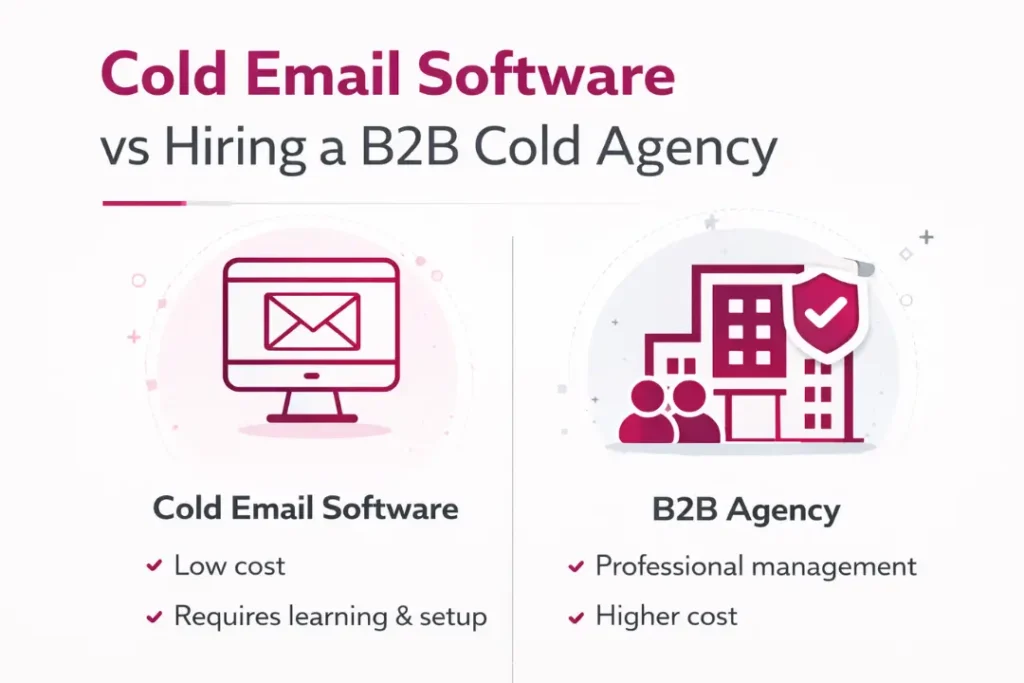
If you are in a confusion about the best approach for outreach, this table highlights cost efficiency, potential return, and when each option suits a business.
Software works for DIY campaigns, SDR teams handle volume personally, and agencies offer expertise when in-house capabilities are insufficient.
Consider this clear comparison to check:
| Approach | Cost and ROI | Notes / Limitations |
| DIY with software | Low cost, ROI depends on proper setup and execution | Ideal for small teams, but requires learning tools and managing sequences manually. |
| In-house SDR team | Medium to high cost, higher ROI if well-trained | Provides personal touch, faster follow-ups, but scaling requires hiring and training more staff. |
| Full-service cold email and appointment setting agency | High cost, predictable ROI with professional campaigns | Agencies manage prospecting, sending, and appointments; best when internal resources or expertise are limited. |
How We Help As A B2B Cold Email Outreach and Appointment Setting Agency
We craft outbound strategies that match your business objectives and ideal prospects. Our team identifies decision makers, develops targeted email sequences, and schedules follow-ups to drive consistent engagement. This approach ensures each message contributes directly to pipeline growth and lead generation efficiently.
We handle domain setup and deliverability to guarantee emails reach inboxes. SPF, DKIM, and DMARC are configured, domains are warmed, and inbox rotation is applied. Accurate B2B prospect list building and validation reduce bounce rates and improve response, ensuring campaigns target the right contacts at the right time.
Copywriting, personalization, and campaign management are executed with precision. Messages are crafted to resonate, sequences are automated, and opens, clicks, and replies are monitored. Appointment booking is seamless, and detailed reporting supports ongoing optimization. This method delivers higher engagement, measurable results, and a steady stream of qualified meetings for your sales team.
Final Thoughts
Cold email software is a tool, not a complete solution. Success depends on the strategy behind each campaign and how well it aligns with target prospects. Execution plays a critical role in determining ROI, from list building and personalization to follow-ups and appointment setting.
Using the right software without expert management often limits results, while combining automation with professional oversight produces predictable outcomes.
ProspectOut helps businesses leverage both technology and expertise. With structured campaigns, deliverability management, and data-driven optimization, we ensure B2B teams achieve consistent engagement, higher response rates, and measurable growth across their sales pipelines.
Frequently Asked Questions
Can cold email software replace an SDR team?
Software can streamline outreach, but it cannot fully replace the human touch of follow-ups, relationship building, and appointment setting. Combining both gives better results.
How can I improve email deliverability?
Set up SPF, DKIM, and DMARC records, warm domains gradually, rotate inboxes, avoid spam triggers, and comply with GDPR and CAN-SPAM rules.
Can small businesses benefit from cold email software?
Yes, even small teams can automate outreach, reduce manual work, and maintain professional campaigns without hiring a full SDR team.