TL;DR:
A B2B cold email strategy works best when strong infrastructure, clean data, and clear messaging work together. Secondary domains, controlled accounts, warm up, and safe sending volumes protect deliverability.
A quality prospect list built with clear personas and validated emails improves targeting and reduces bounces. Emails perform better when they use simple structure, strong subject lines, light personalization, and trust signals. Follow up sequences and A/B testing improve reply rates over time.
Explore the full guide to see each step broken down in detail and apply it to your outreach process.
What Is Included in a B2B Cold Email Strategy
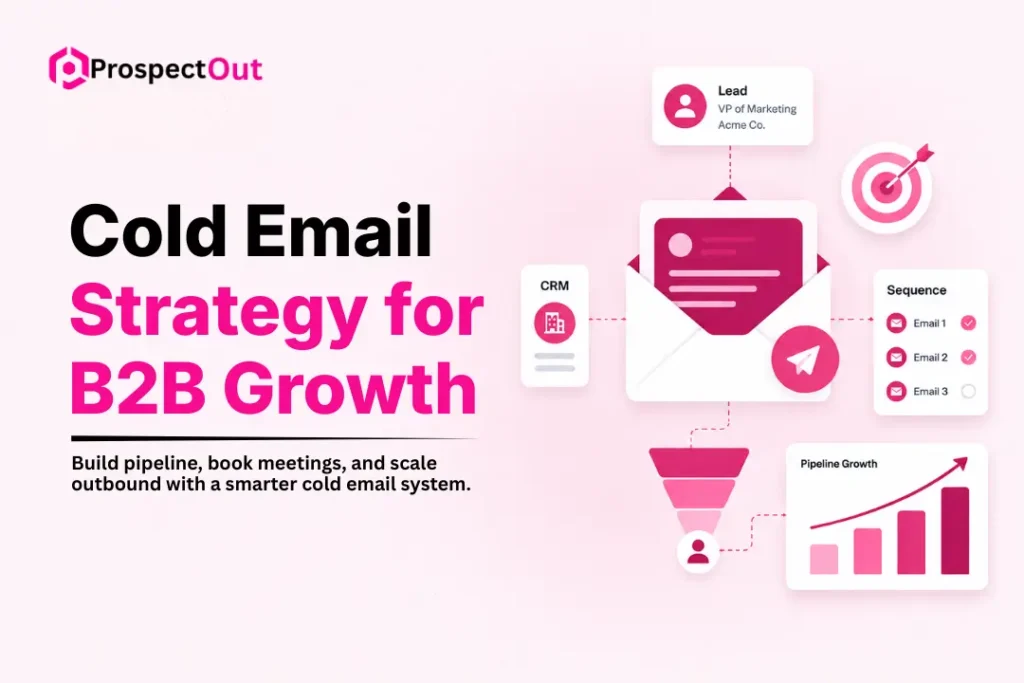
A strong B2B cold email strategy combines targeting, messaging, and systems that work together. Let’s look at what this strategy includes:
- Prospect research: Identifying the right companies, roles, and signals to ensure outreach reaches decision makers who match the ideal customer profile.
- List building: Collecting accurate, relevant contacts using verified sources to keep outreach focused on active and qualified business leads.
- Email infrastructure setup: Creating domains, inboxes, and technical setup that supports deliverability and protects primary business communication.
- Personalization approach: Adding relevant context to each email so messages feel specific to the recipient instead of generic outreach.
- Cold email copywriting: Writing clear, structured emails that communicate value quickly and guide the reader toward a reply or meeting.
- Follow up system: Building a sequence of messages that keeps engagement alive without overwhelming the prospect or damaging trust.
- Performance tracking: Monitoring open rates, replies, and conversions to refine strategy and improve future campaign results.
Cold Email Infrastructure for Deliverability
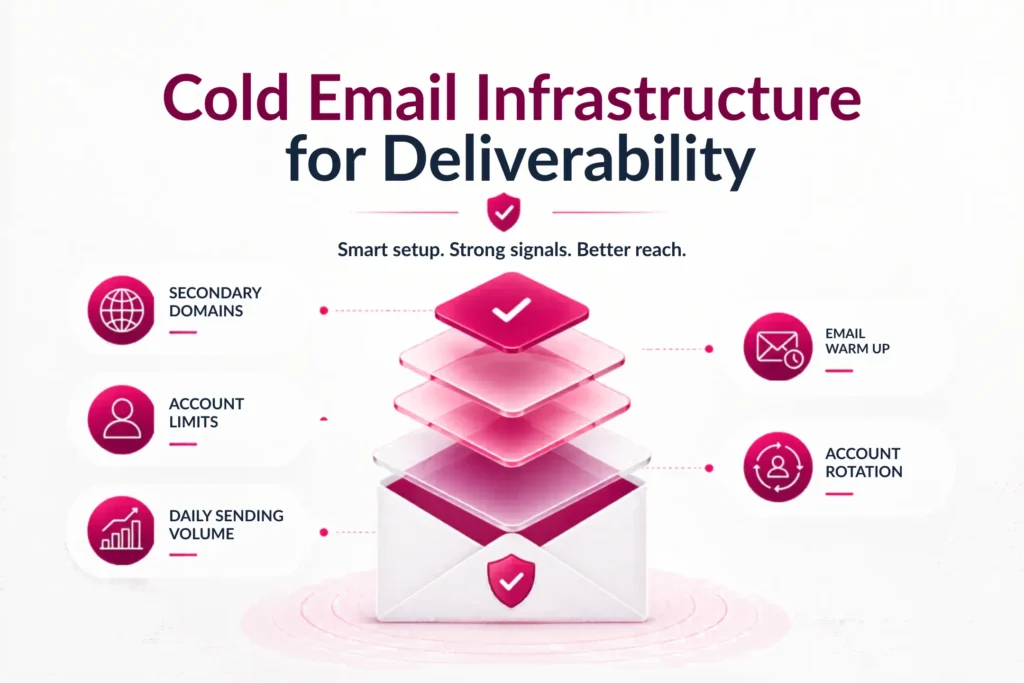
Strong infrastructure sets the base for reliable B2B email outreach and consistent inbox placement. A strong strategy begins with this foundation. Here is how we do it:
Secondary domains
Use secondary domains that closely match the main brand to protect the primary domain reputation. This setup ensures that any risk from outreach activity does not affect core business communication.
Similar naming keeps trust high while allowing scale across campaigns. Using a separate but related domain reduces long term damage and keeps email systems stable. It also gives room to test campaigns without putting the main domain at risk during high volume outreach.
Account limits
We keep a strict limit of up to three email accounts running under one domain to avoid suspicious patterns. Email providers monitor activity closely, and too many accounts can raise red flags fast. Fewer accounts per domain lead to better inbox placement and lower spam rates.
This approach keeps sending behavior natural and consistent. It also allows each account to build its own reputation over time, which improves overall campaign performance and reduces the chance of sudden deliverability drops.
Email warm up
Our experts warm up new accounts for at least two weeks before starting any campaign. This process builds trust with email providers through gradual and natural interaction.
Sending volume increases step by step, along with replies and engagement signals. Skipping this stage leads to poor inbox placement and higher spam risk. A proper warm up period helps accounts look active and real. It also creates a strong base for future outreach, which improves long term results across campaigns.
Daily sending volume
Keep daily sending volume within a safe range we maintain, usually between 25 and 30 emails per account. This limit helps maintain a human-like pattern that email providers prefer. Large spikes in activity often trigger filters and reduce inbox placement.
Steady and controlled sending leads to better engagement over time. It also protects account health and avoids unnecessary blocks. A consistent volume allows campaigns to scale gradually without risking reputation or deliverability issues.
Account rotation
Rotate sending in controlled batches to keep activity balanced and natural. This method prevents overuse of a single account and spreads risk across the system. In our experience, using one account for about a month before switching helps maintain steady performance, even during larger campaigns.
This approach reduces the chance of sudden drops in deliverability and avoids burnout on any single inbox. Each account stays active without appearing aggressive. Batch rotation like this supports long term outreach efforts and keeps inbox placement stable across different campaigns and target lists.
Building a Quality B2B Prospect List
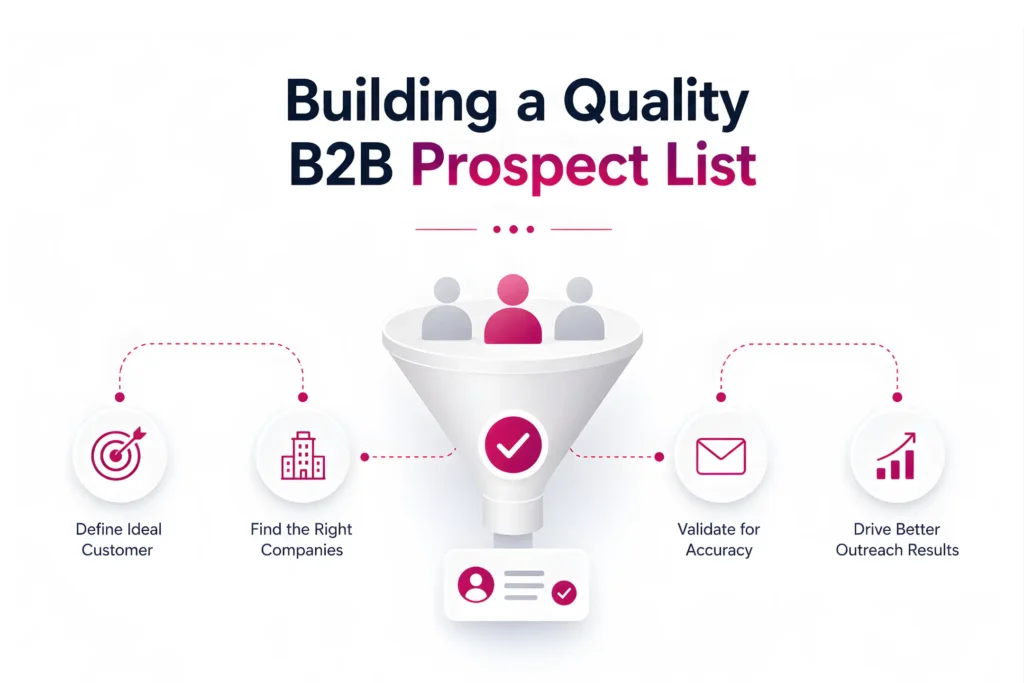
The next step is building a high quality list that matches your ideal customer profile and supports consistent outreach performance.
Customer personas
A customer persona defines the type of buyer we target in a B2B cold email strategy. It shapes who enters the prospect list and why they should be contacted.
In our experience, campaigns fail when personas are vague or too broad. A strong persona is built using role, company size, industry, and clear pain points. It also considers decision making power and budget level.
When building one, we look at past clients, successful deals, and patterns in responses. This helps filter outreach and keeps messaging relevant.
A strong persona usually includes:
- Job role and seniority level
- Company size and revenue range
- Industry focus
- Core pain points and challenges
- Decision making authority
- Budget and buying readiness
List validation
List validation ensures that every email in a prospect list is real, active, and safe to contact. We always validate lists before launching any campaign to avoid wasted sends and poor deliverability. This process includes checking email accuracy, domain health, and activity status.
List validation typically covers:
- Email format and syntax checks
- Domain health verification
- Activity and deliverability status
- Removal of invalid or risky addresses
Tools like NeverBounce, ZeroBounce, Hunter, and Kickbox help remove invalid or risky addresses. Keeping bounce rates under 2 percent is a standard we aim for in active campaigns to maintain strong performance and stable sending results.
Writing Cold Emails That Get Replies
Cold emails work best when they stay simple, focused, and relevant to the reader’s situation. Let’s discuss the core section of the strategy:
Subject lines
Subject lines decide if an email gets opened or ignored. In our experience, short and clear lines perform better than clever or vague ones.
We focus on relevance instead of hype. Mentioning a pain point, role, or outcome often improves open rates. Personal touches also help when they feel natural.
Avoid overused sales phrases or anything that looks automated. A strong subject line creates curiosity without pressure and matches the email content closely.
What we focus on in subject lines:
- Relevance to the prospect’s role or industry
- Clear pain point or outcome
- Short and easy to read structure
- Natural personalization where possible
- No hype or aggressive sales tone
Example: “More booked demos for your SDR team”
Email frameworks
Proven frameworks like AIDA, PAS, BAB, and STAR help keep cold emails structured and easy to read.
A simple flow works best: context, relevance, value, and next step.
Each line stays focused on one idea so the message flows naturally without losing clarity. Personalization is added inside the structure rather than used as decoration, which keeps the email grounded and relevant. This approach makes emails feel direct, natural, and easier to respond to.
A clear framework also improves consistency across campaigns and helps teams scale outreach without losing message quality or clarity in communication.
Spam triggers
Spam triggers can quietly destroy deliverability even when the message looks fine. We avoid excessive capitalization, too many links, and promotional language that feels aggressive.
Words that sound pushy or overly sales focused often reduce inbox placement. Image heavy emails or repeated formatting patterns also increase risk. It is also important to avoid misleading subject lines that do not match email content.
Here is a quick list of what are considered spam triggers:
- Excessive use of capital letters
- Too many links in a single email
- Aggressive sales or promotional language
- Image heavy email content
- Repeated or unnatural formatting patterns
- Misleading subject lines
Keeping emails simple, honest, and human reduces the chance of landing in spam and improves long term campaign stability.
Example: Avoid writing “FREE!!! LIMITED OFFER!!! CLICK NOW!!!”
Social proof
Social proof helps build trust without sounding overly sales driven. We use it to show real outcomes instead of making big claims. This can include mentioning similar clients, industries, or measurable results.
The goal is to make the message feel credible, not promotional. In practice, subtle references work better than long case studies inside cold emails. A short line about who has seen success with the service is often enough.
Example: “We recently helped a SaaS company in the HR space increase booked demos by 40% in 60 days.”
Also read: What are the benefits of email deliverability services
Follow Up Sequences That Increase Replies
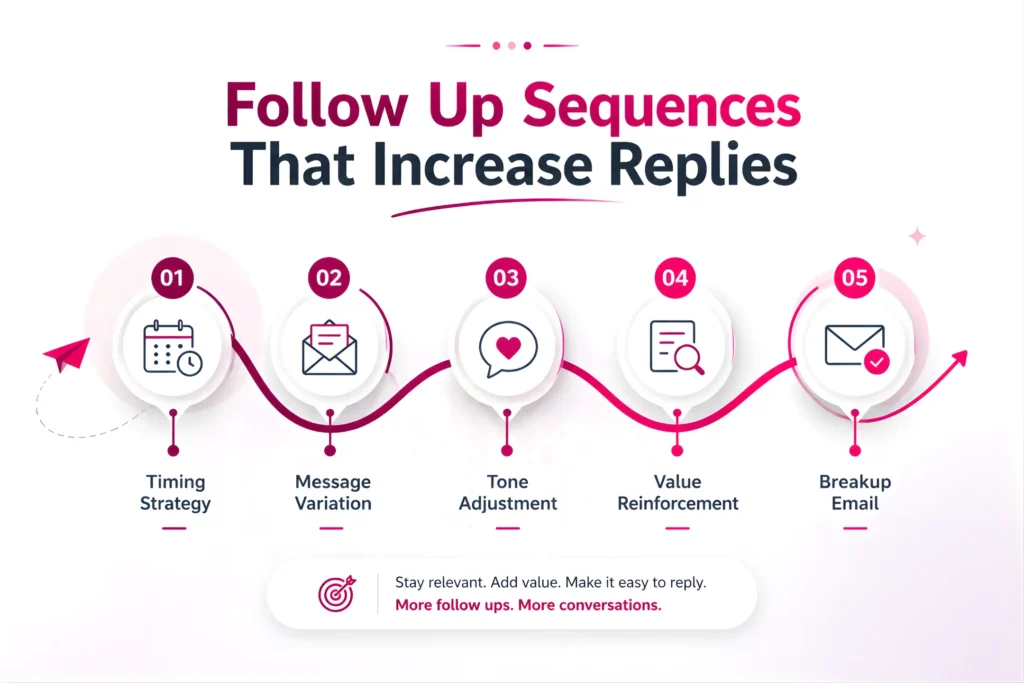
Follow up sequences keep conversations alive and improve response rates by staying present without overwhelming the prospect. We suggest using a structured approach to maintain consistency and avoid overloading the recipient:
- Timing strategy: We space follow ups to avoid pressure while staying visible. In practice, 2–3 day gaps work well for early messages, then longer intervals later.
- Message variation: Each follow up changes angle instead of repeating the same pitch. We shift focus between problem, value, and quick reminders to keep interest fresh.
- Tone adjustment: Initial emails stay direct, while follow ups become lighter and more conversational. This reduces resistance and makes replies more likely over time.
- Value reinforcement: We add small insights or relevant context in follow ups. This keeps messages useful instead of repetitive and increases chances of engagement.
- Breakup email: Final message is short and polite, signaling closure. It often triggers responses from prospects who were interested but delayed replying.
A/B Testing for Campaign Improvement
A/B testing helps improve cold email performance by comparing two versions of a message to see which one gets better results. In our experience, even small changes in wording, structure, or subject lines can lead to clear differences in open and reply rates. This process removes guesswork and replaces it with real data from live campaigns. It also helps identify what resonates best with different industries and decision makers.
We usually test one variable at a time to keep results clear. This can include:
- Subject lines
- Opening lines
- Call to action
- Email length
- Email structure or flow
Running tests on a controlled audience ensures that the data stays reliable. Over time, these insights build a stronger overall outreach system and improve consistency across campaigns.
The final goal is steady improvement in engagement and replies. A/B testing also reduces wasted effort by focusing only on what works. It creates a repeatable system for scaling cold email performance across different B2B markets.
Final Thoughts
Cold email success comes more from structure than creativity. Strategy decides results, not isolated tactics. When targeting is unclear, even strong copy fails. When infrastructure is weak, good emails never reach inboxes. A solid system aligns list quality, messaging, and sending behavior so each part supports the other.
In our view, the best results come from treating cold email like a process, not a one-time effort. That means building accurate prospect lists, keeping deliverability stable, and refining messages through real feedback. Small improvements in each layer compound into consistent meeting flow.
Teams that scale well do not chase hacks. They focus on control, consistency, and iteration. When strategy stays disciplined, outreach becomes predictable and easier to grow across new markets.
Frequently Asked Questions
How long does it take to see results from cold email?
Most campaigns start showing signals within the first 7 to 14 days. Strong systems usually stabilize after consistent sending and follow up cycles. Early data helps refine targeting and improve performance over time.
How often should cold email strategy be reviewed?
We recommend reviewing performance weekly during active campaigns. Small adjustments based on real data improve results faster than large changes made too late. Consistent review keeps the system stable and responsive.
How important is personalization in cold email?
Personalization plays a major role in getting replies, but it does not need to be complex. We notice that simple and relevant context works better than heavy research. Mentioning role, company activity, or a known challenge is often enough. The goal is to show relevance quickly, not to impress with detail.